
Get obsdn trade right
Start OBSDN Trade Infrastructure with the constraint that matters most in real life: space, timing, budget, skill level, maintenance, or availability. That first constraint should shape the rest of the plan instead of appearing as an afterthought. Keep the first pass simple enough to verify. Compare the main options against the same criteria, remove choices that only work in ideal conditions, and save optional upgrades for later.
The simplest way to use this section is to write down the real constraint first, compare each option against it, and choose the path that still works outside ideal conditions.
Work through the steps
OBSDN Trade Infrastructure works best as a clear sequence: define the constraint, compare the realistic options, test the tradeoff, and choose the path with the fewest hidden costs. That order keeps the advice usable instead of decorative. After each step, pause long enough to check whether the recommendation still fits the reader's actual situation. If it depends on perfect timing, unusual access, or a best-case budget, include a simpler fallback.
Fix common mistakes
Even with a robust vault structure, traders often undermine their own data integrity through avoidable errors. These mistakes don't just clutter the interface; they corrupt the signals you need for accurate market research and strategic analysis.
Ignoring timestamp precision
A trade entry without an exact execution timestamp is useless for post-market review. Many traders record only the date, losing the ability to analyze intraday volatility or session-specific performance. Always use Obsidian’s datetime picker or a plugin like Dataview to ensure every log entry includes the precise hour and minute of entry and exit. This granularity allows you to correlate price action with specific market conditions rather than guessing.
Inconsistent tagging
Varying your tags for the same asset or strategy creates fragmentation in your data. If you tag a trade as #AAPL in one entry and #Apple in another, your Dataview queries will miss half your data. Establish a strict naming convention upfront. Use ticker symbols for assets and standardized codes for strategies (e.g., #swing, #scalp). Consistency ensures that when you query your vault, you capture every relevant trade, providing a complete picture of your performance.
Overcomplicating the template
Beginners often create elaborate templates with dozens of fields, leading to "template fatigue" where logging feels like administrative work. This friction causes inconsistent logging, which is worse than no logging at all. Start with a minimal template: date, asset, direction, entry/exit price, and a brief note on the thesis. Add fields only when you identify a specific gap in your analysis. Simplicity encourages consistency, which is the foundation of any reliable trading journal.
Obsdn trade infrastructure: common: what to check next
Before committing to a new trade infrastructure, it helps to separate technical requirements from workflow changes. The following questions address the most frequent objections regarding data privacy, automation limits, and long-term maintenance.
Helpful gear
Use these product recommendations as a starting point, then choose the size, material, and price point that fit how you actually use the gear.
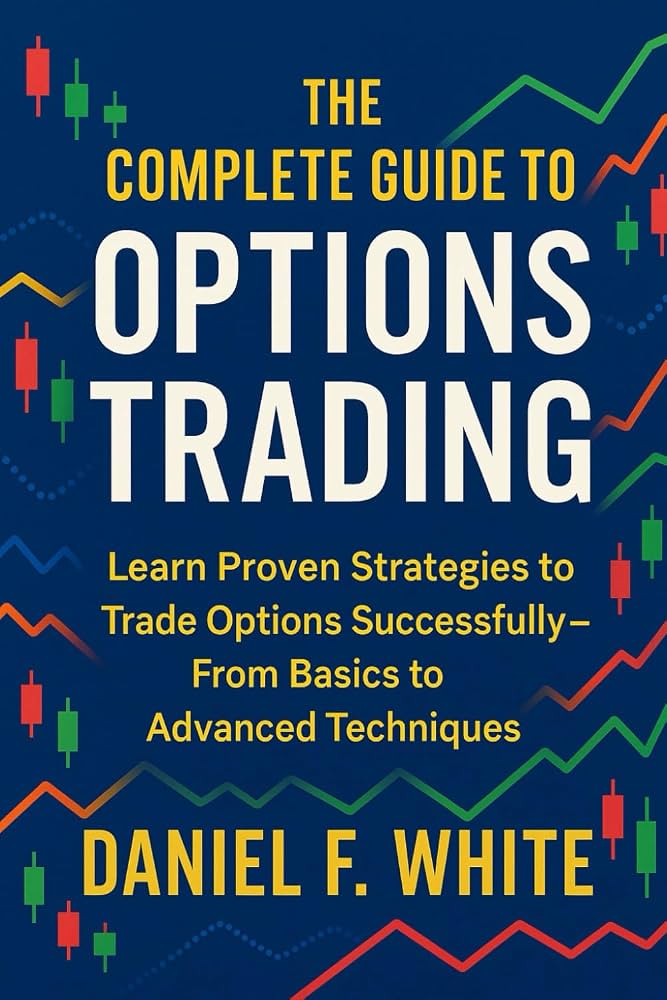

As an Amazon Associate, we may earn from qualifying purchases.
No comments yet. Be the first to share your thoughts!