Obsidian trade analysis limits to account for
The phrase "obsidian trade analysis" often triggers confusion because it sits at the intersection of two distinct worlds: cryptocurrency infrastructure and Minecraft gaming mechanics. If you are looking for crypto trading tools, you are likely searching for how traders use Obsidian (the note-taking app) to build trading journals, or you are encountering search noise from Minecraft tutorials about farming obsidian blocks.
For serious traders, the constraint is clarity. Obsidian itself is not a trading platform or a market data provider. It is a local-first knowledge base. The "trade analysis" happens in how you structure your vaults, not in the app's native features. You must manually capture trade data or use community plugins to visualize performance. This requires discipline. There is no automated "buy/sell" signal generation within Obsidian.
If your intent is related to Minecraft, the query "which trader gives obsidian" refers to Piglins in the Nether dimension. They barter for gold ingots, occasionally offering obsidian as an item. This is a game mechanic, not a financial instrument. Ensure you are distinguishing between the note-taking software for crypto journaling and the block farming in the game to avoid wasted time.
Obsidian trade analysis choices that change the plan
Building a trading journal in Obsidian is less about finding the perfect template and more about balancing data capture with cognitive load. The platform’s flexibility allows for deep customization, but that same flexibility introduces friction. You must decide where to draw the line between raw data entry and meaningful review. If you spend too much time formatting, you spend less time analyzing your P&L. If you keep it too simple, you lose the context needed to spot recurring mistakes.
The core tradeoff lies in automation versus transparency. Plugins like Journalit or community-built dashboards can pull trade data from MT4/5 or CSV files, creating instant visualizations of your performance. This saves hours of manual entry. However, these tools often lock you into specific data structures. You might gain a pretty dashboard but lose the ability to tag trades with nuanced, subjective observations that don’t fit into predefined columns. The choice is between speed and depth.
Another critical factor is the local-first nature of Obsidian. Your data lives in plain text files on your machine. This is a massive security and privacy advantage for traders who don’t want their strategies on a cloud server. But it also means you are responsible for backups. If your hard drive fails, your entire trading history vanishes unless you have a version control system like Git set up. This technical overhead is a real cost for non-technical traders.
To help you visualize the current market context while you evaluate these tools, here is a live chart of Bitcoin, the most common asset for crypto-focused trading journals.
When comparing solutions, look at how each handles the two pillars of trade analysis: capture and review. A tool that excels at capture but fails at review is useless. Conversely, a beautiful review dashboard that requires manual entry will likely be abandoned after a week. The best setup usually combines a lightweight capture method with a robust, plugin-driven review environment.
| Feature | Manual Entry | Plugin/Auto | Setup Complexity |
|---|---|---|---|
| Data Speed | Slow | Fast | Low |
| Custom Tags | Unlimited | Limited by schema | N/A |
| Visuals | None without code | Dashboards | High |
| Data Ownership | Full | Full | N/A |
| Maintenance | None | Plugin updates | Low |
The decision ultimately depends on your primary bottleneck. If you struggle to start reviewing, you need automation. If you struggle to record details, you need a simpler, manual workflow. Most successful traders start manual to build discipline, then automate only the repetitive parts like price and volume data.
Turn research into a decision framework
Obsidian is a note-taking app, not a trading platform. The phrase "which trader gives obsidian" often stems from confusion with Minecraft mechanics, where players barter with piglins for blocks. In crypto infrastructure, the focus shifts to software tools that help you track, analyze, and execute trades.
Building a functional trading system requires more than just a journal. It demands a suite of tools that handle data capture, performance analysis, and execution. The following steps outline the essential components needed to build a robust infrastructure.

Manual entry is prone to error and bias. Use API integrations or browser extensions to pull trade data directly from exchanges. This ensures your journal reflects reality, not memory. Pillar one of any effective system is accurate capture.

Raw data is useless without context. Use tools that generate heatmaps, win-rate percentages, and expectancy calculations. Visualizing drawdowns and profit factors helps you identify behavioral patterns and strategic weaknesses.

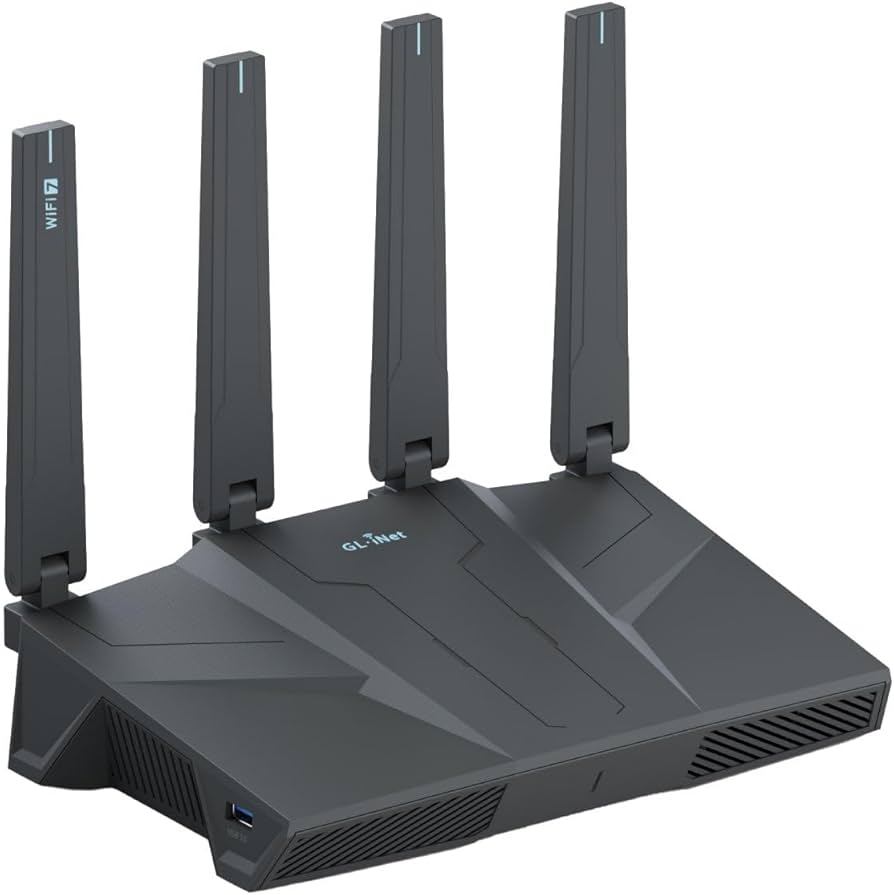
Latency and reliability matter. Invest in a stable internet connection, a secondary monitor for charting, and a backup power supply. Your software is only as good as the infrastructure it runs on.


As an Amazon Associate, we may earn from qualifying purchases.
The goal is to reduce friction between idea and execution. By automating data capture and visualizing performance, you free up mental bandwidth for decision-making. Start with the tools that solve your biggest bottleneck, then expand from there.
Spotting weak options and misleading claims
The Obsidian (OBSDN) token is the backbone of a decentralized infrastructure network, yet the market is littered with vague promises. Many projects claim to solve crypto infrastructure issues but lack the concrete tools to back them up. When evaluating OBSDN, you must look past the marketing fluff and focus on the actual utility provided to traders and developers.
Common mistakes in OBSDN analysis
A frequent error is conflating the Obsidian note-taking app with the OBSDN cryptocurrency. This confusion often leads to poor investment decisions based on unrelated search results. For instance, queries for "which trader gives obsidian" often return Minecraft tutorials about farming obsidian blocks, a clear signal of keyword ambiguity that savvy investors must navigate. Always verify the ticker and the specific ecosystem before diving in.
Evaluating the trade analysis tools
OBSDN’s value proposition rests on its ability to streamline trade analysis and journaling. Weak options in this space often promise all-in-one solutions without offering granular data capture. Effective tools must support structured trade review, daily report cards, and performance analytics. If a platform cannot clearly demonstrate how it captures and analyzes trade data, it is likely a weak option. Look for features that integrate seamlessly with existing trading workflows rather than adding unnecessary friction.
The bottom line
Avoid projects that rely on buzzwords like "revolutionary" or "disruptive" without showing the underlying mechanics. The best OBSDN tools are those that provide clear, actionable insights into trading performance. By focusing on concrete features and avoiding misleading claims, you can identify the robust infrastructure that actually supports long-term trading success.
Obsdn trade analysis: what to check next
When evaluating crypto infrastructure, prioritize transparency and on-chain data over marketing claims. Use official sources to verify contract addresses and audit reports. Always cross-reference technical charts with fundamental metrics to avoid relying on a single data point.
No comments yet. Be the first to share your thoughts!