What the OBSDN Trade infrastructure offers
OBSDN Trade works best as a sequence, not a scramble through settings. Do the minimum first: confirm compatibility, connect the core hardware, update only when needed, and test the result before adding optional features. That order keeps the task understandable and makes failures easier to isolate. After each step, pause long enough for the interface to finish syncing. Many setup problems are timing problems disguised as configuration problems. If the same step fails twice, record the exact error, restart the smallest affected piece, and retry before moving deeper.
The simplest way to use this section is to keep the setup small, verify each change, and record the stable configuration before adding optional accessories.
Setting up a trading journal in Obsidian
Obsidian’s local-first architecture makes it an ideal central hub for trade logging and review. Unlike cloud-based trackers, your data stays on your machine, giving you full control over privacy and customization. This guide walks you through building a functional trading vault that supports real-time research and post-trade analysis.

Start by creating a new vault named "Trading." Inside, create a folder structure that separates your workflow: Trades for daily logs, Reviews for weekly/monthly performance analysis, and Templates for reusable note structures. This separation keeps your research clean and prevents your journal from becoming cluttered.
Enable the core "Templates" plugin in Settings. For advanced features, install community plugins like "Obsidian Trading Journal" (available in the community store) to automate trade entry. This plugin allows you to log entries with predefined fields like entry price, exit price, and P&L, reducing manual data entry errors.
Create a template in your Templates folder. Include fields for date, asset, direction (long/short), entry/exit prices, and a "Lessons Learned" section. Use YAML frontmatter for metadata, which makes it easier to query your data later using Dataview if you choose to install that plugin. Example frontmatter:
---
date: 2024-05-20
asset: AAPL
direction: Long
status: Closed
---
Use the template to create your first trade note. Link to relevant market research notes using [[ ]] syntax. This creates a knowledge graph of your trading activity, allowing you to see how specific market conditions influenced your decisions. Consistency is key; treat this as a daily habit, not an afterthought.
At the end of each week, review your Trades folder. Use Obsidian’s graph view to visualize connections between your trades and market events. Identify patterns in your winning and losing trades. This review process turns raw data into actionable insights, helping you refine your strategy over time.
| Feature | Cloud Journal | Obsidian |
|---|---|---|
| Data Ownership | Platform-dependent | Full control |
| Customization | Limited | High |
| Privacy | Provider access | Local-only |
Tracking setups with technical charts
Live charting data turns market noise into a trackable workflow. Instead of guessing where price might go, you anchor your analysis to real-time candlesticks, volume spikes, and indicator shifts. This keeps your decision-making grounded in what the market is actually doing right now.
The OBSDN Trade platform supports this by embedding provider-backed charts directly into your research view. You can overlay moving averages, RSI, or MACD on top of live price action without switching tabs. This reduces latency between spotting a pattern and executing a trade.
When monitoring a position, focus on the interaction between price and key support levels. A clean break above resistance with rising volume often confirms a trend continuation. If the price stalls while volume drops, it may signal a reversal or consolidation phase. Use these visual cues to adjust stop-losses or take-profit targets dynamically.
Comparing research and execution tools
OBSDN Trade works best as a clear sequence: define the constraint, compare the realistic options, test the tradeoff, and choose the path with the fewest hidden costs. That order keeps the advice usable instead of decorative. After each step, pause long enough to check whether the recommendation still fits the reader's actual situation. If it depends on perfect timing, unusual access, or a best-case budget, include a simpler fallback.
| Factor | What to check | Why it matters |
|---|---|---|
| Fit | Match the option to the primary use case. | A good deal still fails if it does not fit the job. |
| Condition | Verify age, wear, and service history. | Hidden condition issues erase upfront savings. |
| Cost | Compare purchase price with likely upkeep. | The cheapest option is not always the lowest-cost option. |
Recommended gear for serious traders
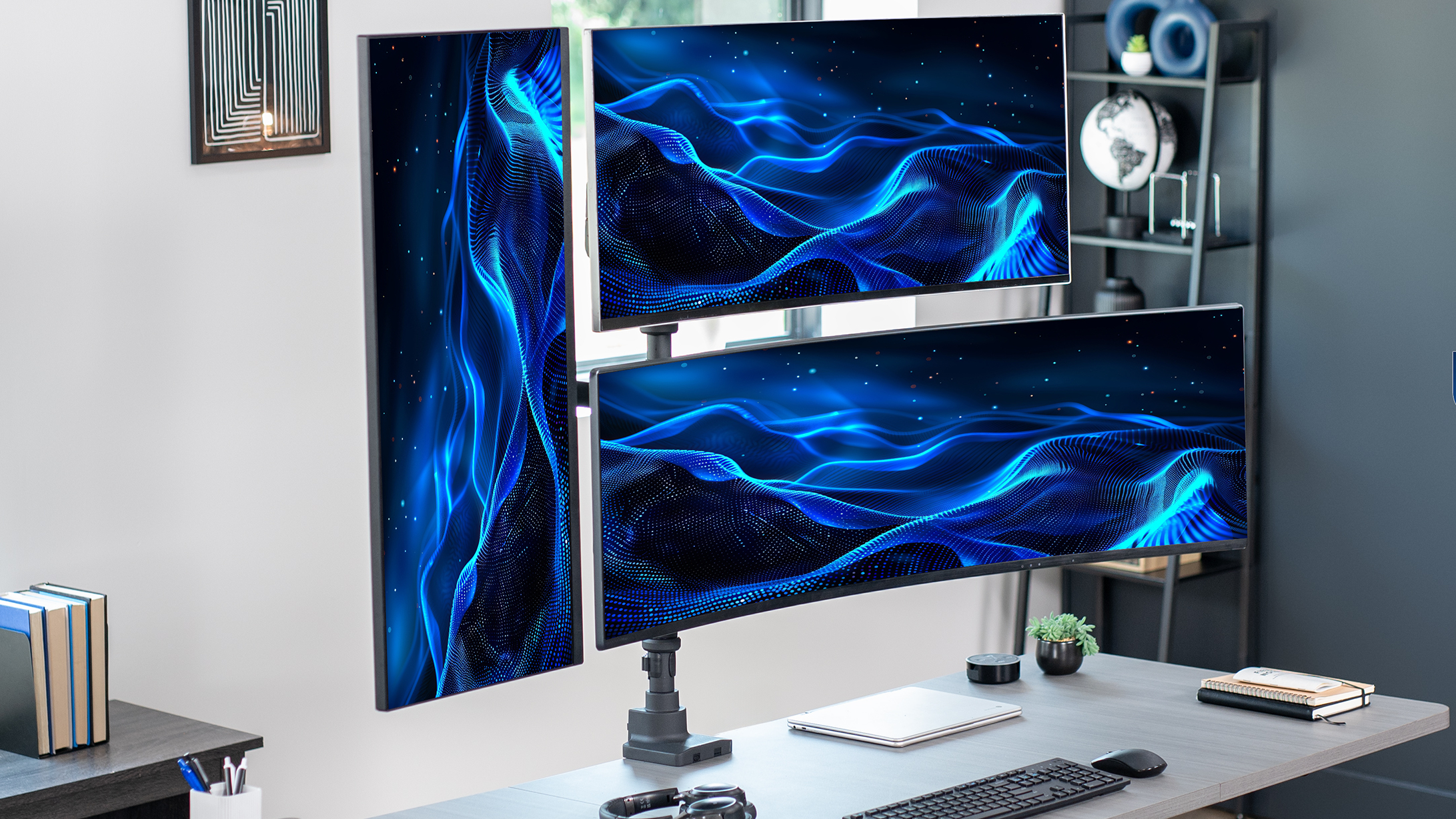
Building a reliable trading setup requires more than just a fast laptop. While software handles the analysis, the hardware must support long hours of screen time and rapid data execution. Below are the essential components for a professional-grade trading workstation.


As an Amazon Associate, we may earn from qualifying purchases.
These tools help reduce friction between decision and execution. A dual-monitor or ultrawide setup allows you to keep charts, news feeds, and execution windows visible simultaneously. Pair this with a high-quality keyboard to ensure precise input during volatile market moves. For detailed performance reviews of specific models, check official retailer pages for current specifications.
Common questions about OBSDN Trade
Traders often hit friction when integrating Obsidian into a live trading workflow. Below are direct answers to the most frequent questions, focusing on infrastructure and practical application rather than abstract theory.
No comments yet. Be the first to share your thoughts!