
Obsidian trade limits to account for
The "Obsidian method" for trading relies on local Markdown files to build a personal knowledge database. This approach appeals to traders who want to organize ICT study notes, daily report cards, and trade reviews in a flexible, non-linear way. However, treating Obsidian as a primary trading platform introduces significant constraints that can hinder execution speed and real-time analysis.
Obsidian is fundamentally a note-taking application, not a market data terminal. While the community shares workflows for tracking journal entries and reviewing past performance, the app lacks native integration with live order books, real-time charting, or direct broker APIs. Relying on it for active trade execution creates a friction point: you must manually input data or use complex, fragile automation scripts that often lag behind market movements.
The disadvantages of Obsidian in a trading context become clear when you need speed. The app has a steep learning curve and requires manual setup for plugins like Kanban or Dataview to function as a dashboard. More critically, it offers no collaboration features, making it unsuitable for team-based trading desks. If you are looking for a tool to manage live positions, Obsidian is not an ideal choice due to its static nature and lack of real-time connectivity.
For most traders, Obsidian serves best as a secondary repository for post-trade analysis rather than a primary execution environment. Use it to document your thesis, review mistakes, and structure your learning, but keep your live trading operations on dedicated platforms that offer real-time data and automated execution.
Obsdn trade choices that change the plan
Use this section to make the OBSDN Trade decision easier to compare in real life, not just on paper. Start with the reader's actual constraint, then separate must-have requirements from details that are merely nice to have. A practical choice should survive normal use, maintenance, timing, and budget. If a recommendation only works in an ideal situation, call that out plainly and give the reader a fallback path.
| Factor | What to check | Why it matters |
|---|---|---|
| Fit | Match the option to the primary use case. | A good deal still fails if it does not fit the job. |
| Condition | Verify age, wear, and service history. | Hidden condition issues erase upfront savings. |
| Cost | Compare purchase price with likely upkeep. | The cheapest option is not always the lowest-cost option. |
Turn research into a practical decision framework
Obsidian is a powerful tool for organizing trading data, but it requires a deliberate setup to be useful. Without a clear structure, the app’s flexibility can become a liability, leading to fragmented notes and lost insights. The goal is to build a system that turns raw market data into actionable trade reviews.
Step 1: Build a central trade journal
Start with a single, searchable repository for all your trades. Use Obsidian’s graph view to link trades to specific assets, strategies, or market conditions. This creates a visual map of your trading history, helping you spot patterns that spreadsheets might miss. Focus on consistency: log every trade, win or loss, with the same basic fields (entry, exit, reason, outcome).
Step 2: Create standardized review templates
Avoid starting from scratch for each review. Create a template that includes sections for pre-trade analysis, emotional state, and post-trade evaluation. This standardization reduces friction and ensures you capture critical data points every time. Use Obsidian’s Templater plugin to automate this process, making it faster to log trades during volatile market hours.
Step 3: Link reviews to your knowledge base
Connect your trade reviews to your broader research notes. If a trade failed because of a specific technical indicator, link that review to your notes on that indicator. This builds a living knowledge base where past mistakes and successes inform future decisions. It transforms Obsidian from a simple log into a dynamic learning tool.
Step 4: Manage the learning curve
Obsidian is not a plug-and-play solution. It has a steep learning curve and lacks built-in collaboration features, making it less ideal for team-based trading. Invest time in learning its core features, such as tags and backlinks, to maximize its utility. Consider using community plugins to extend functionality, but start with the basics to avoid overwhelming yourself.
Step 5: Choose the right tools
To get started, you’ll need the right hardware and software. A reliable computer and a good note-taking setup are essential. Here are some recommended tools to support your trading workflow:
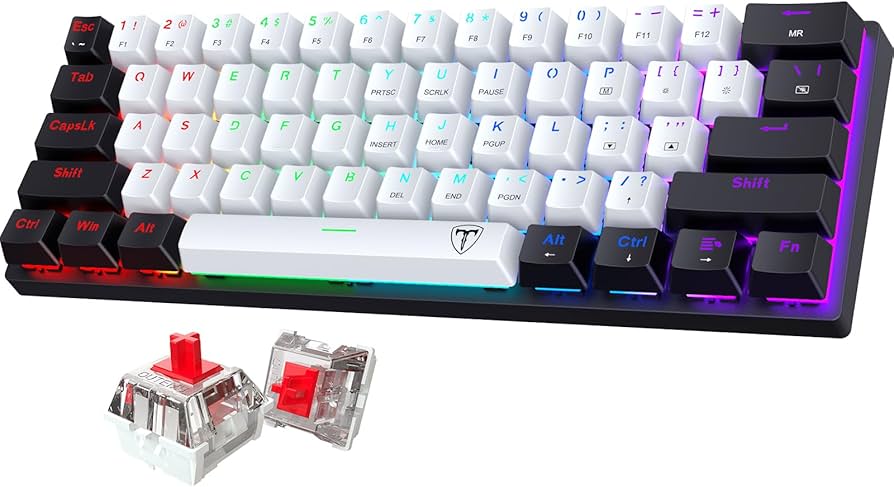


As an Amazon Associate, we may earn from qualifying purchases.
By following these steps, you can transform Obsidian from a complex app into a streamlined trading companion. The key is to start simple, stay consistent, and gradually build out your system as your needs evolve.
Spotting Weak Options and Misleading Claims
Many traders treat Obsidian as a magic bullet for market analysis, but the tool is simply a container. It does not provide data, signals, or execution logic. The common mistake is assuming that a well-organized vault equals a profitable strategy. Without rigorous backtesting and live market data, your notes are just a digital archive of losses.
The "Obsidian method" often touted in online communities refers to linking notes via Markdown and local storage. While this offers privacy and flexibility, it lacks real-time collaboration and automated data feeds. If you are looking for a team-based solution, this isolation becomes a significant disadvantage. You must manually update charts and import CSV data, which introduces latency and potential human error into your research workflow.
Avoid any guide that promises "set-and-forget" trading systems using only note-taking plugins. These are weak options that ignore the complexity of market dynamics. Instead, focus on concrete checks: verify your data sources, test your hypotheses against historical price action, and ensure your vault structure supports quick retrieval during live trading. The tool is only as good as the discipline behind it.
Obsdn trade: what to check next
What is the Obsidian method?
The "Obsidian method" typically refers to using Obsidian, the Markdown-based note-taking application, to structure trading workflows. Traders use it to build a non-linear knowledge base, linking ICT study notes, trade journals, and daily report cards. This approach helps organize complex market data and personal analysis in a flexible, visual way, rather than following a rigid, linear spreadsheet format.
What are the disadvantages of Obsidian for trading?
While powerful for knowledge management, Obsidian is not ideal for tracking real-time trade performance. It lacks native, built-in collaboration features, making it difficult for teams to share live data. Additionally, it has a steep learning curve due to its complexity. For pure trade execution and performance tracking, dedicated trading platforms or specialized journals are often more efficient than configuring Obsidian plugins.
Is OBSDN a legitimate crypto trading platform?
OBSDN appears to be an emerging or niche project, often associated with waitlists or early-stage development rather than a fully established, regulated exchange. Traders should verify the platform's regulatory status and security audits before depositing funds. The association with terms like "Trade Equities" or "underfarmed Asia war trade" suggests a specific, possibly speculative, niche focus rather than a broad-market utility.
How does OBSDN differ from traditional trading journals?
Unlike traditional journals that focus on historical record-keeping, OBSDN seems to position itself around real-time trade equities and specific market narratives. However, without extensive public data or official source verification, its exact functionality remains unclear. Traders should compare its features against established tools like Notion or dedicated crypto tracking apps to ensure it meets their specific workflow needs.
No comments yet. Be the first to share your thoughts!