Defining OBSDN trade analysis
OBSDN trade analysis is not a single asset or a magical indicator. It is a structured approach to market research that relies on specific infrastructure tools to evaluate price action, volume, and sentiment. Instead of guessing where the market is heading, this methodology uses data to validate hypotheses before entering a position.
Think of this approach as building a dashboard for your trading strategy. You need reliable instruments to measure speed, fuel, and direction. In the context of OBSDN, these instruments are the software platforms, data feeds, and analytical frameworks that provide clarity in volatile markets. Without this infrastructure, you are trading blind.
The core of OBSDN analysis involves integrating technical charts with fundamental data streams. For example, tracking the OBX (Obsidian Therapeutics, Inc.) requires more than just looking at a price line. You need to understand the volume behind the moves, the options flow influencing sentiment, and the broader market context. Tools like Nasdaq’s Options Trade Outline Suite or specialized technical analysis platforms help aggregate this data into actionable insights.
By prioritizing the right tools, you shift from reactive trading to proactive analysis. This section outlines the essential components of this infrastructure, helping you select the right software to support a disciplined, data-driven trading plan.
Core Infrastructure for Market Research
Accurate OBSDN trade analysis doesn’t start with a strategy; it starts with reliable data. If your foundation is shaky, even the best technical patterns will lead you astray. You need access to primary sources that offer granular details on trade quantity, volume, and customer origin. Relying on delayed feeds or aggregated summaries introduces noise that can distort your risk assessment.
Official exchange data is your best starting point. Platforms like Nasdaq’s Options Trade Outline Suite provide direct access to detailed options trading data across multiple exchanges. This level of granularity allows you to see not just where the price is, but who is moving it. For broader market context, tools like TrendSpider offer free technical charts and options flow data, which are essential for tracking symbols like OBX (Obsidian Therapeutics) in real-time.
Beyond raw data, you need infrastructure that can visualize and interpret that information. A live technical chart helps you spot trends before they become obvious to the broader market. It turns static numbers into actionable insights, letting you see volume spikes and price breaks as they happen.
Having the right tools means less time searching for data and more time analyzing it. Prioritize platforms that integrate official sources directly, ensuring that your analysis is built on facts rather than assumptions.
Comparing analysis platforms
Use this section to make the OBSDN Trade Analysis decision easier to compare in real life, not just on paper. Start with the reader's actual constraint, then separate must-have requirements from details that are merely nice to have. A practical choice should survive normal use, maintenance, timing, and budget. If a recommendation only works in an ideal situation, call that out plainly and give the reader a fallback path.
| Factor | What to check | Why it matters |
|---|---|---|
| Fit | Match the option to the primary use case. | A good deal still fails if it does not fit the job. |
| Condition | Verify age, wear, and service history. | Hidden condition issues erase upfront savings. |
| Cost | Compare purchase price with likely upkeep. | The cheapest option is not always the lowest-cost option. |
Essential tools for traders
Use this section to make the OBSDN Trade Analysis decision easier to compare in real life, not just on paper. Start with the reader's actual constraint, then separate must-have requirements from details that are merely nice to have. A practical choice should survive normal use, maintenance, timing, and budget. If a recommendation only works in an ideal situation, call that out plainly and give the reader a fallback path.
The simplest way to use this section is to write down the must-have criteria first, then compare each option against those criteria before weighing nice-to-have features.
Building a research checklist
A solid trade analysis starts before you click buy. Without a structured checklist, you risk overlooking critical data points that could turn a profitable setup into a loss. This process ensures you evaluate every angle of the OBSDN trade with precision.

Start with official exchange data or a reputable terminal like Nasdaq. Verify current volume and open interest levels to confirm liquidity. This foundation prevents you from trading against invisible walls.

Run your charts through tools like TradingAnalysis or TrendSpider. Look for Fibonacci retracements and Elliott Wave patterns to identify potential entry and exit zones. These indicators help you plan the trade before the market moves.

Check for unusual options activity or large block trades. Data from sources like Spotgamma can reveal where institutional money is positioning itself. Understanding this flow helps you anticipate short-term price spikes or reversals.
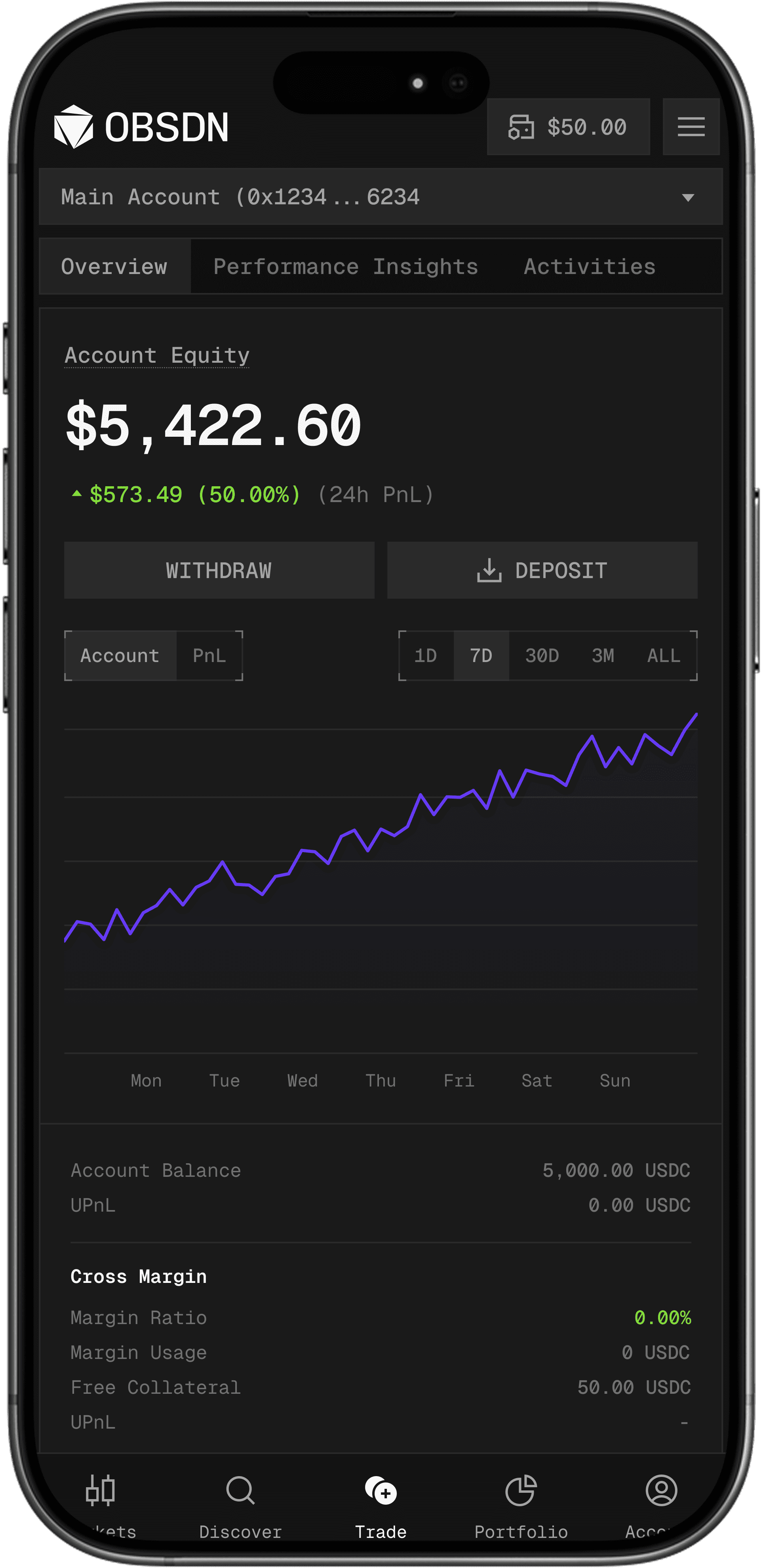
Compare your current setup against past trades. Did similar patterns lead to gains or losses? This retrospective analysis helps refine your strategy and avoid repeating the same mistakes.
Once you have these steps in place, you can move forward with confidence. A repeatable checklist removes emotion and replaces it with data-driven decisions.
Helpful gear
Use these product recommendations as a starting point, then choose the size, material, and price point that fit how you actually use the gear.


As an Amazon Associate, we may earn from qualifying purchases.
No comments yet. Be the first to share your thoughts!