Why infrastructure matters for OBSDN Trade
Trading the OBSDN ecosystem demands more than just capital; it requires a technical infrastructure capable of handling real-time data streams and rapid analysis. In this environment, speed is not a luxury—it is the difference between capturing an opportunity and watching it slip away.
The core challenge for traders is managing the volume of information without losing focus. A robust setup allows you to process market signals instantly, reducing the cognitive load required to interpret price action. This means your tools should work in the background, surfacing only the most critical data points when you need them.
Successful traders treat their tech stack as a strategic asset. By streamlining how data is ingested and displayed, you free up mental bandwidth to focus on execution rather than data management. This shift from manual monitoring to automated insight is what separates consistent performers from the rest.
Live market data and price tracking
OBSDN operates in a high-stakes environment where seconds matter. Relying on delayed data is like driving with a rear-view mirror; you are always reacting to what has already happened. For equity perps and leveraged events, real-time price feeds are not a luxury—they are the foundation of any viable trading strategy.
The platform itself highlights the importance of this immediacy. As noted by the official OBSDN trade account on X, the infrastructure is built for those who need to "trade equity perps you actually want" with full leverage, live on the platform. This focus on real-time execution means your tools must match that speed.
To monitor OBSDN effectively, you need provider-backed widgets that pull directly from exchange data. Static prices found on generic aggregators are often stale by the time you see them. Using a live TechnicalChart allows you to see volume spikes and price action as they unfold, giving you the context needed to enter or exit positions with precision.
Pair this with a live PriceWidget to keep an eye on the current quote. This combination ensures you are making decisions based on the actual market state, not a cached snapshot. In a market driven by leverage and events, your data source is your first line of defense.
Research tools and note-taking systems
Most traders fail not because they can’t read a chart, but because they can’t remember what they saw last Tuesday. In fast-moving markets, relying on memory or scattered spreadsheets is a liability. You need a system that captures context—why you took a trade, what the setup looked like, and how it played out—so you can review it without digging through email archives or lost PDFs.
Obsidian has become the standard for building a "second brain" for trading because it treats every note as a building block. Instead of a rigid database, you store each trade as a simple markdown file. This flexibility allows you to link related concepts, such as connecting a specific trade to a broader market theme or a psychological trigger. The result is a network of knowledge that grows with you, rather than a static log that collects dust.
| Feature | Obsidian | Notion |
|---|---|---|
| Data Ownership | Local files (Markdown) | Cloud-hosted database |
| Speed | Instant load times | Can lag with large databases |
| Customization | High (plugins, themes) | Moderate (templates) |
| Offline Access | Full offline support | Limited offline mode |
The key advantage of Obsidian is its plugin ecosystem. Tools like the Obsidian Trading Journal plugin allow you to log trades directly from your notes without needing SQL skills or complex database setups. Every trade becomes a normal note you can open, read, and edit like any other document. This simplicity reduces friction, making it easier to capture data in real-time when the market is moving.
For real-time research, speed matters. When you’re tracking a breakout or a reversal, you don’t have time to wait for a cloud sync to finish. Obsidian’s local-first architecture ensures that your notes are always available, even if your internet drops. This reliability is critical for traders who need to document their thought process instantly, ensuring that no nuance is lost in the heat of the moment.
While cloud-based tools like Notion offer collaboration features, they often introduce latency and dependency on external servers. For a trader focused on personal edge and rapid iteration, Obsidian’s local storage provides both privacy and performance. You own your data, and your system remains fast regardless of how much information you accumulate over years of trading.
Essential gear for serious traders
Trading is a high-speed environment where milliseconds and clarity matter. Your hardware and software stack should remove friction, not add it. The goal is to keep your eyes on the charts and your decision-making sharp, rather than fighting with laggy interfaces or disorganized notes.
Hardware and Peripherals
A reliable setup starts with the basics. You need a monitor that can render real-time data without distortion and a keyboard that responds instantly to your commands. For many traders, a mechanical keyboard with tactile feedback helps reduce typing errors during fast-paced entries. Pair this with a mouse that allows for precise click placement, ensuring your execution matches your analysis.

Software and Workflow Tools
Beyond the screen, your software needs to handle the volume of information you process daily. While dedicated trading platforms like OBSDN provide the execution layer, a robust note-taking system is essential for journaling. Tools like Obsidian allow you to link your trade reviews directly to your market analysis, creating a searchable knowledge base of your past performance.


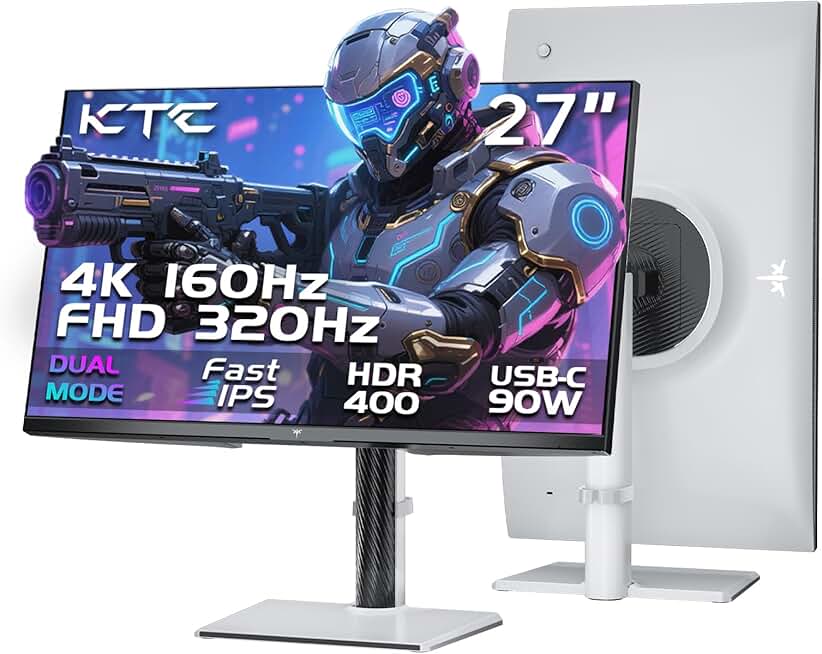
As an Amazon Associate, we may earn from qualifying purchases.
The Obsidian Connection
Using Obsidian for your trading journal creates a private, local-first environment for your data. The Obsidian Trading Journal plugin simplifies this by turning every trade into a simple note, eliminating the need for complex databases. This approach keeps your workflow streamlined, allowing you to focus on the strategy behind the trade rather than the mechanics of logging it.
Building a repeatable OBSDN strategy
Trading without a plan is just gambling with better internet access. The worst time to decide what you're going to do is after you've already clicked buy or sell. To build a repeatable OBSDN strategy, you need to structure your workflow around real-time data, not hindsight.
Before you look at a chart, write down exactly what conditions must be met to enter a trade. Is it a specific volume spike? A breakout above a moving average? If you can't define the trigger in one sentence, you don't have a strategy yet.
Determine your stop-loss and take-profit levels before you enter. This isn't about predicting the future; it's about managing the inevitable downside. OBSDN tools help you visualize these levels against current market volatility, ensuring you aren't risking more than you can afford to lose on a single move.
Use historical data to see how your entry criteria would have performed, but validate them against current market conditions. Static backtests often fail because they ignore slippage and latency. Real-time research tools allow you to simulate trades as they happen, giving you a clearer picture of execution reality.
After the trade closes, compare your plan against the outcome. Did you follow your rules? Did the market behave as expected? This feedback loop is where the actual learning happens. Without it, you're just repeating the same mistakes with different symbols.
| Phase | Primary Focus | Recommended Tool |
|---|---|---|
| Pre-Trade | Criteria & Risk | Checklist |
| Execution | Speed & Price | PriceWidget |
| Analysis | Pattern Recognition | TechnicalChart |
No comments yet. Be the first to share your thoughts!