
Why private data matters for trade analysis
Use this section to make the OBSDN Trade Analysis decision easier to compare in real life, not just on paper. Start with the reader's actual constraint, then separate must-have requirements from details that are merely nice to have. A practical choice should survive normal use, maintenance, timing, and budget. If a recommendation only works in an ideal situation, call that out plainly and give the reader a fallback path.
The simplest way to use this section is to write down the must-have criteria first, then compare each option against those criteria before weighing nice-to-have features.
Core infrastructure for live charting
Technical analysis requires more than static screenshots; it demands a live data layer that updates as the market moves. In the OBSDN workflow, this means integrating real-time price feeds directly into your research vault. By keeping the data local-first, you avoid the latency of web browsers and maintain a private, uncluttered workspace that responds instantly to volatility.
Start with a live price anchor to ground your analysis in current market conditions. This widget pulls directly from provider-backed sources, ensuring you are always looking at the most recent bid and ask spreads without leaving your notes.
For deeper structural analysis, embed a provider-backed chart within your markdown files. This allows you to annotate candlesticks, draw trendlines, and apply indicators like RSI or MACD in real time. The chart is not just an image; it is an interactive component that stays linked to the source data, preserving the context of your trade thesis.
Community discussions on Reddit often highlight the friction of switching between dedicated charting platforms and note-taking apps. The solution is to treat the chart as a living document. When you update a trade log, the embedded chart updates with it, creating a seamless bridge between raw data and your private insights. This local-first approach ensures your research remains yours, accessible offline and free from the noise of public social feeds.
Top Obsidian plugins for trade journals
Use this section to make the OBSDN Trade Analysis decision easier to compare in real life, not just on paper. Start with the reader's actual constraint, then separate must-have requirements from details that are merely nice to have. A practical choice should survive normal use, maintenance, timing, and budget. If a recommendation only works in an ideal situation, call that out plainly and give the reader a fallback path.
| Factor | What to check | Why it matters |
|---|---|---|
| Fit | Match the option to the primary use case. | A good deal still fails if it does not fit the job. |
| Condition | Verify age, wear, and service history. | Hidden condition issues erase upfront savings. |
| Cost | Compare purchase price with likely upkeep. | The cheapest option is not always the lowest-cost option. |
Structuring your vault for performance review
Use this section to make the OBSDN Trade Analysis decision easier to compare in real life, not just on paper. Start with the reader's actual constraint, then separate must-have requirements from details that are merely nice to have. A practical choice should survive normal use, maintenance, timing, and budget. If a recommendation only works in an ideal situation, call that out plainly and give the reader a fallback path.
-
Verify the basicsConfirm the core specs, condition, and fit before comparing extras.
-
Price the downsideLook for the repair, maintenance, or replacement cost that would change the decision.
-
Compare alternativesCheck at least two comparable options before treating one listing as the benchmark.
Common questions about OBSDN trade tools
What is a trade analysis? Trade analysis is the process of reviewing executed positions to identify patterns in your decision-making. It moves beyond simple profit and loss tracking by examining the setup, entry timing, and exit logic. The goal is to isolate what works and what doesn't, turning raw data into actionable improvements for future market moves.
How do I create a trading journal in Obsidian? The most reliable method is using a dedicated plugin like Journalit, which keeps your data local and private within your vault. You can also build a custom system using CSV import or Dataview to query your trade notes. This approach allows you to link specific trades to chart screenshots and strategy notes, creating a searchable history of your trading career.
What are the best trading analysis tools? While many traders rely on external charting platforms, the best tool for deep psychological and strategic analysis is often a local note-taking system like Obsidian. Plugins allow you to tag trades by setup type and performance, enabling you to filter your vault to see which strategies yield the highest win rates. This local-first approach ensures your sensitive trading data never leaves your control.
What is OTA trading? OTA typically stands for One Touch Ahead, a specific options strategy where traders look for price targets that are currently out of reach but expected to be hit. In the context of trade analysis, it often refers to tracking these speculative positions separately from standard directional trades to evaluate their unique risk-reward profiles.
Helpful gear
Use these product recommendations as a starting point, then choose the size, material, and price point that fit how you actually use the gear.

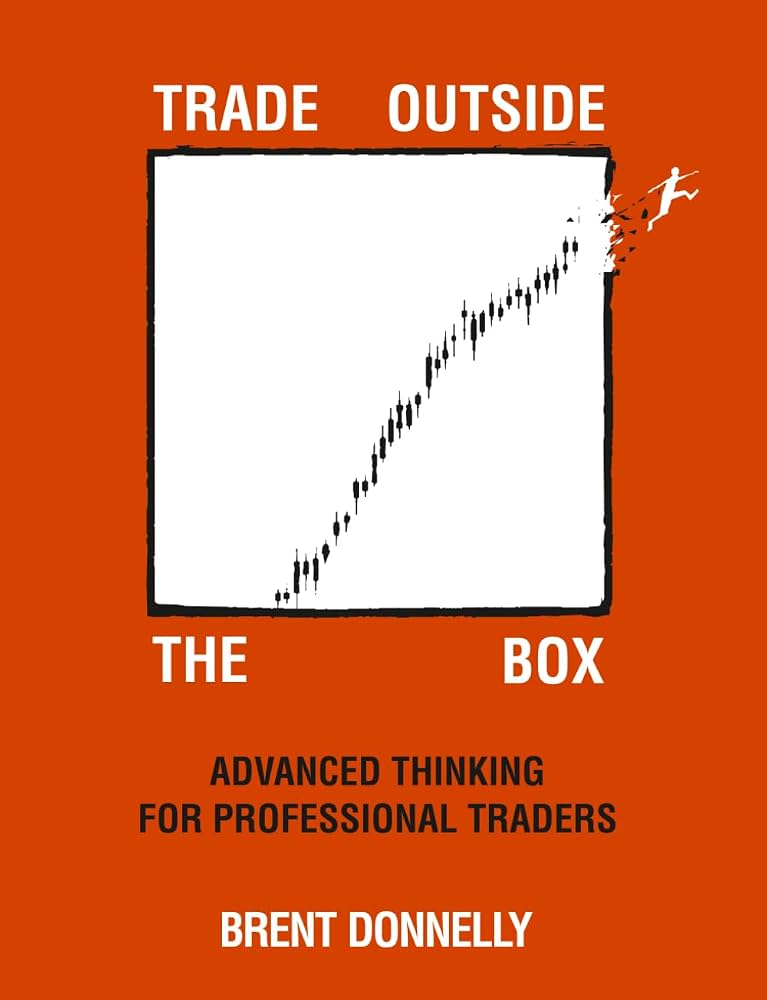

As an Amazon Associate, we may earn from qualifying purchases.
No comments yet. Be the first to share your thoughts!